

Create A Zen Retreat With 17 Japanese Landscaping Ideas
Creating Japanese-style landscaping is an artful process that draws inspiration from the serene and harmonious gardens of Japan. This style emphasizes simplicity, balance, and the seamless integration of natural elements. To create a Japanese-style landscape, careful attention is given to the selection of plants, the arrangement of features, and the overall design principles.
From the soothing sound of water features to the meticulous placement of rocks and the use of carefully pruned trees and shrubs, every element in a Japanese garden is thoughtfully chosen to evoke a sense of tranquility and contemplation.
By incorporating traditional features such as lanterns, bridges, and stepping stones, along with meticulous pruning techniques and the strategic use of bamboo and other natural materials, one can transform their outdoor space into a serene sanctuary inspired by the timeless beauty of Japanese gardens. Here’s a guide to creating Japanese-style landscaping.
#1. Create Winding Paths
 Source: Better Homes & Gardens
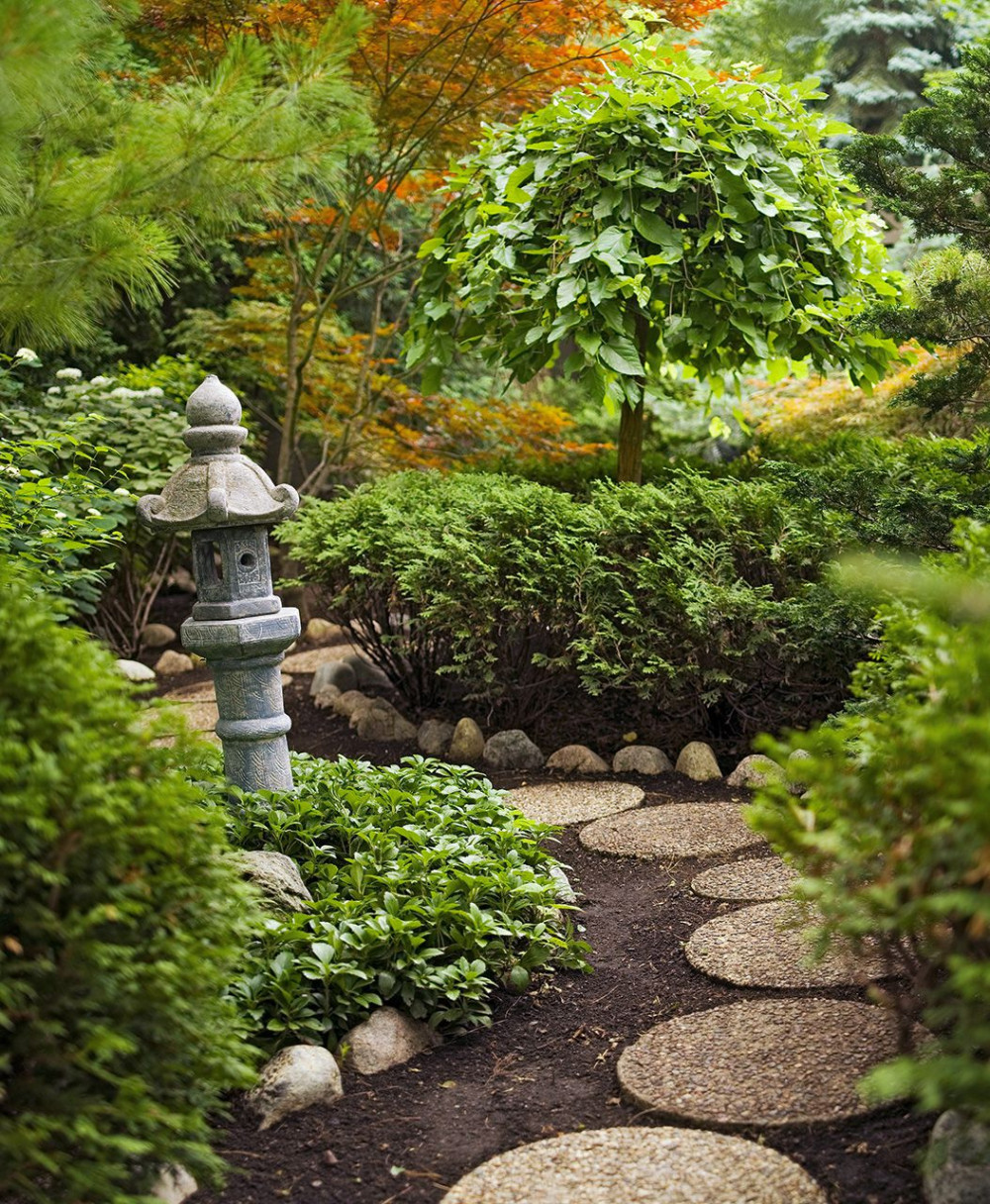
Design meandering pathways that invite exploration and discovery. Use stepping stones or irregularly shaped stones to create a sense of movement and harmony with the surrounding landscape.
#2. Introduce Bamboo Elements
 Source: Tilly Design
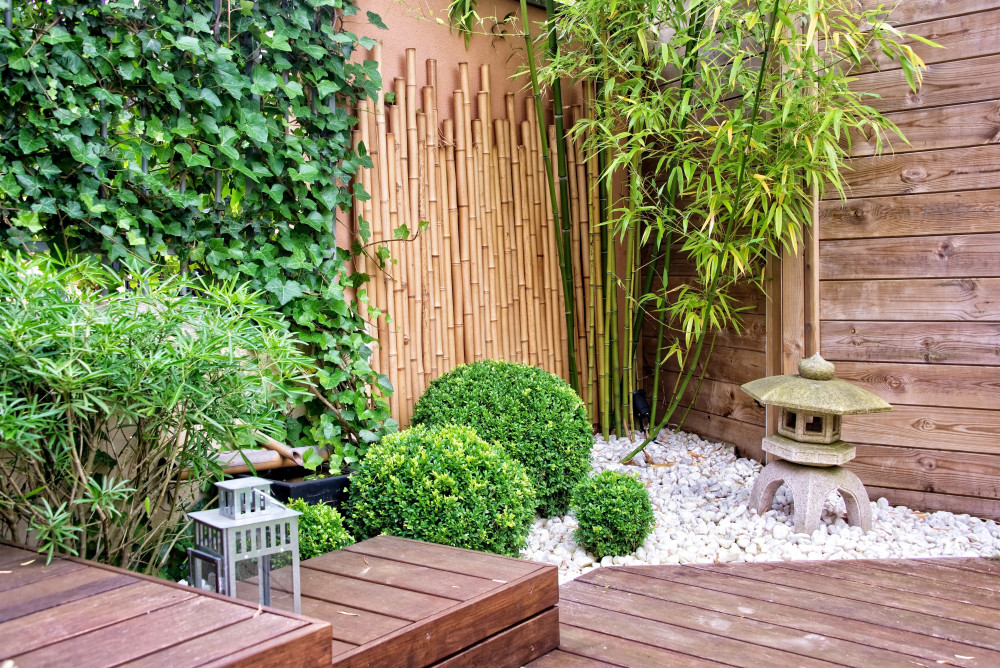
Bamboo is a quintessential element in Japanese gardens. Plant bamboo to create privacy screens, use bamboo poles to construct fences or trellises, or add bamboo water spouts to create a soothing sound in a water feature.
#3. Use A Variety Of Textures
 Source: Landscaping Network
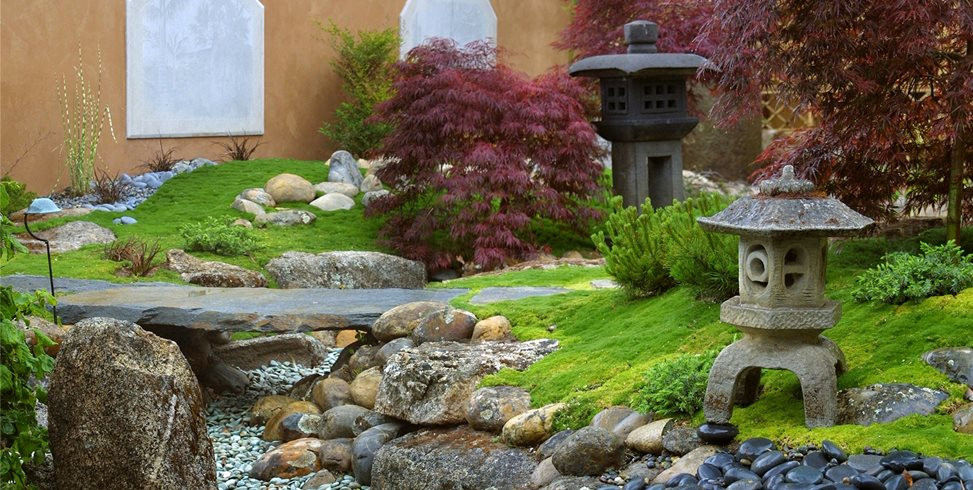
Incorporate a mix of textures in your garden to add visual interest. Combine smooth rocks with mossy surfaces, mix coarse gravel with delicate ferns, or contrast the rough bark of a tree with the fine leaves of a shrub.
#4. Introduce Zen Elements
 Source: Pinterest
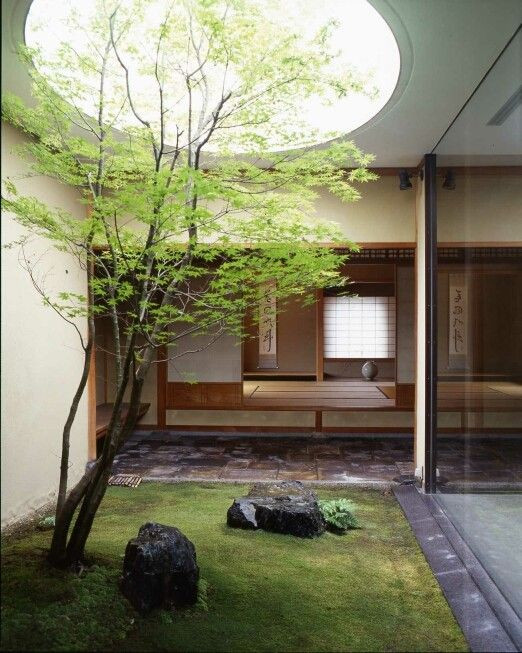
Zen Buddhism greatly influences Japanese gardens. Consider incorporating Zen elements like Zen gardens, meditation areas, or stone arrangements (such as a dry rock garden or a small sand garden) to create a peaceful and contemplative atmosphere.
#5. Use Plants Strategically
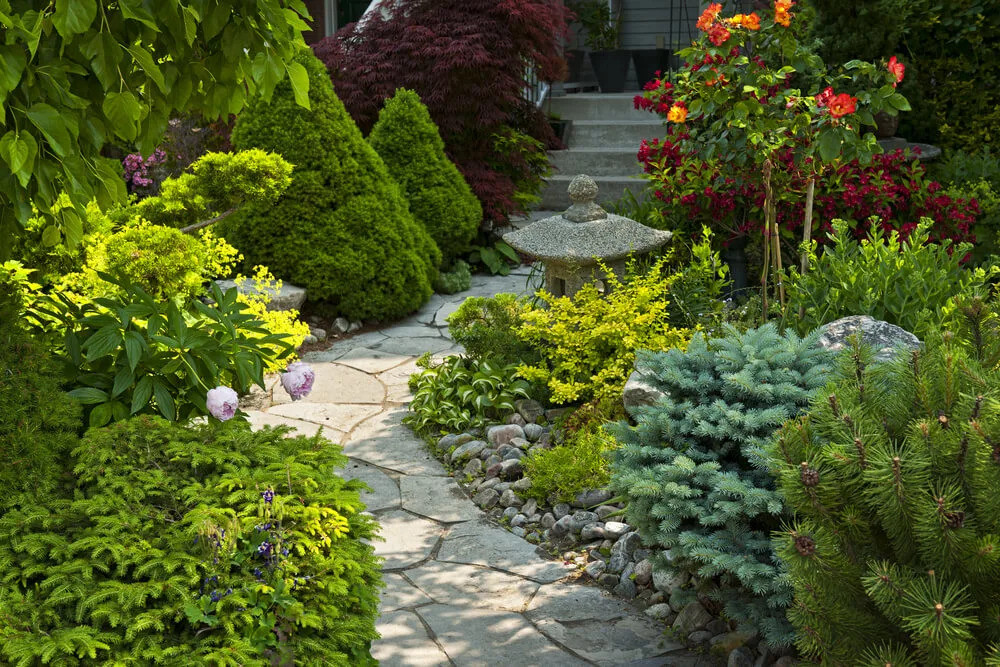 Source: Outdoor Happens
Select plants that are common in Japanese gardens, such as Japanese maple trees, cherry blossoms, bamboo, evergreen shrubs, moss, and ornamental grasses. Group plants in clusters to create visual interest and a sense of depth.
#6. Include Traditional Structures
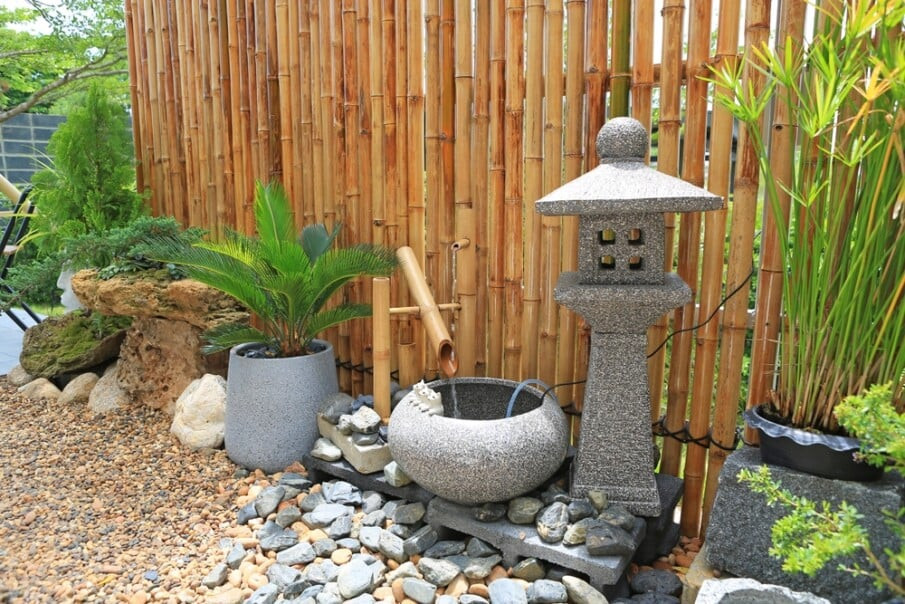 Source: FreshPatio
Integrate traditional Japanese structures like a wooden bridge, a tea house, a torii gate, or a lantern into your garden design. These elements add authenticity and cultural significance to the landscape.
#7. Incorporate Water Elements
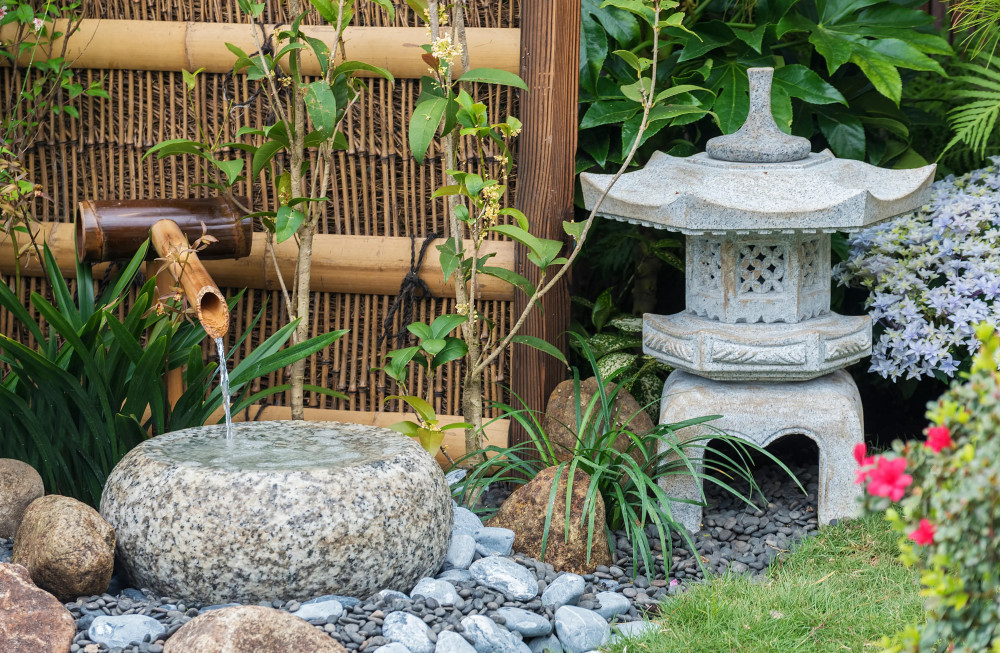 Source: Tilly Design
Water is an essential element in Japanese gardens. Consider adding a small pond, a flowing stream, or a simple water basin (tsukubai) as a focal point. The sound and sight of water can bring a calming effect to the garden.
#8. Use Natural Materials
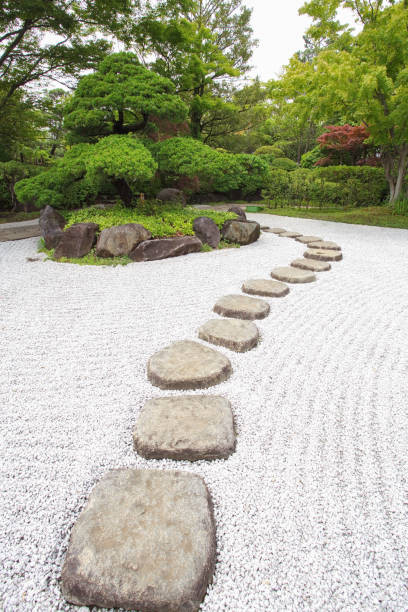 Source: iStock
Choose natural materials such as stone, gravel, wood, and bamboo. Use these materials to create pathways, stepping stones, fences, and other structural elements in your garden.
#9. Create A Focal Point
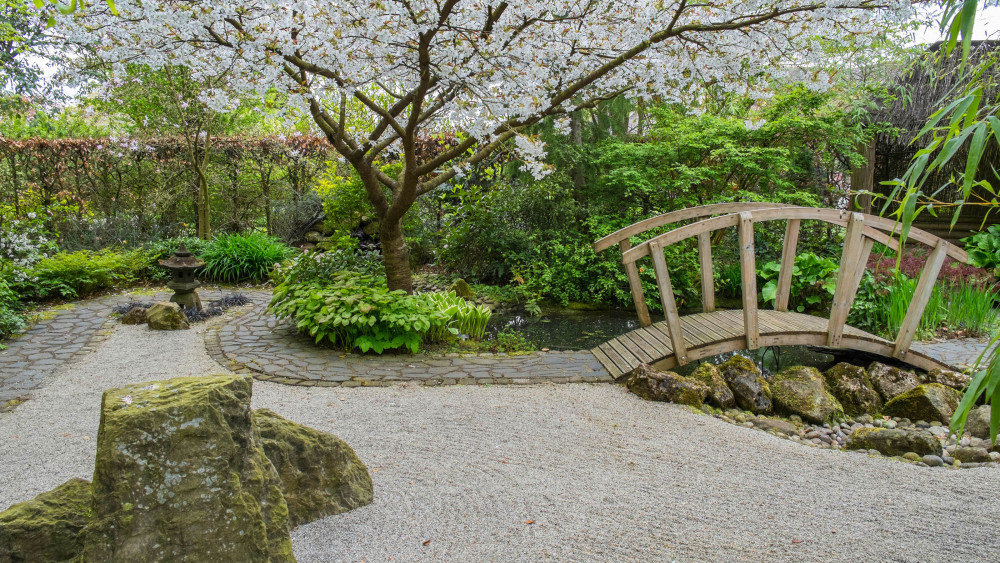 Source: Gardeningetc
Japanese gardens often have a focal point that draws the eye and creates a sense of tranquility. This could be a carefully placed rock, a water feature like a pond or a small waterfall, or a beautifully shaped tree.
#10. Design A Contemplation Area
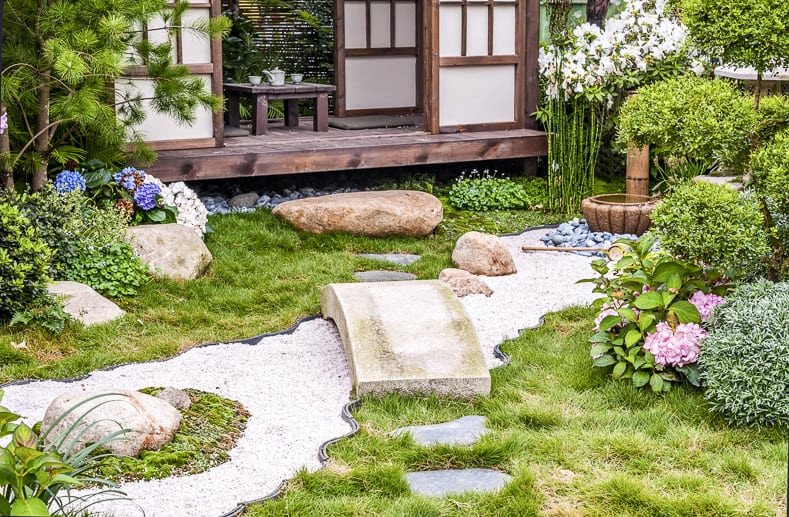 Source: From House To Home
Include a quiet area where you can sit and reflect, such as a secluded corner with a bench or a small pagoda. Surround the area with plants, rocks, or a water feature to create a tranquil space for contemplation.
#11. Use Lanterns And Stone Ornaments:
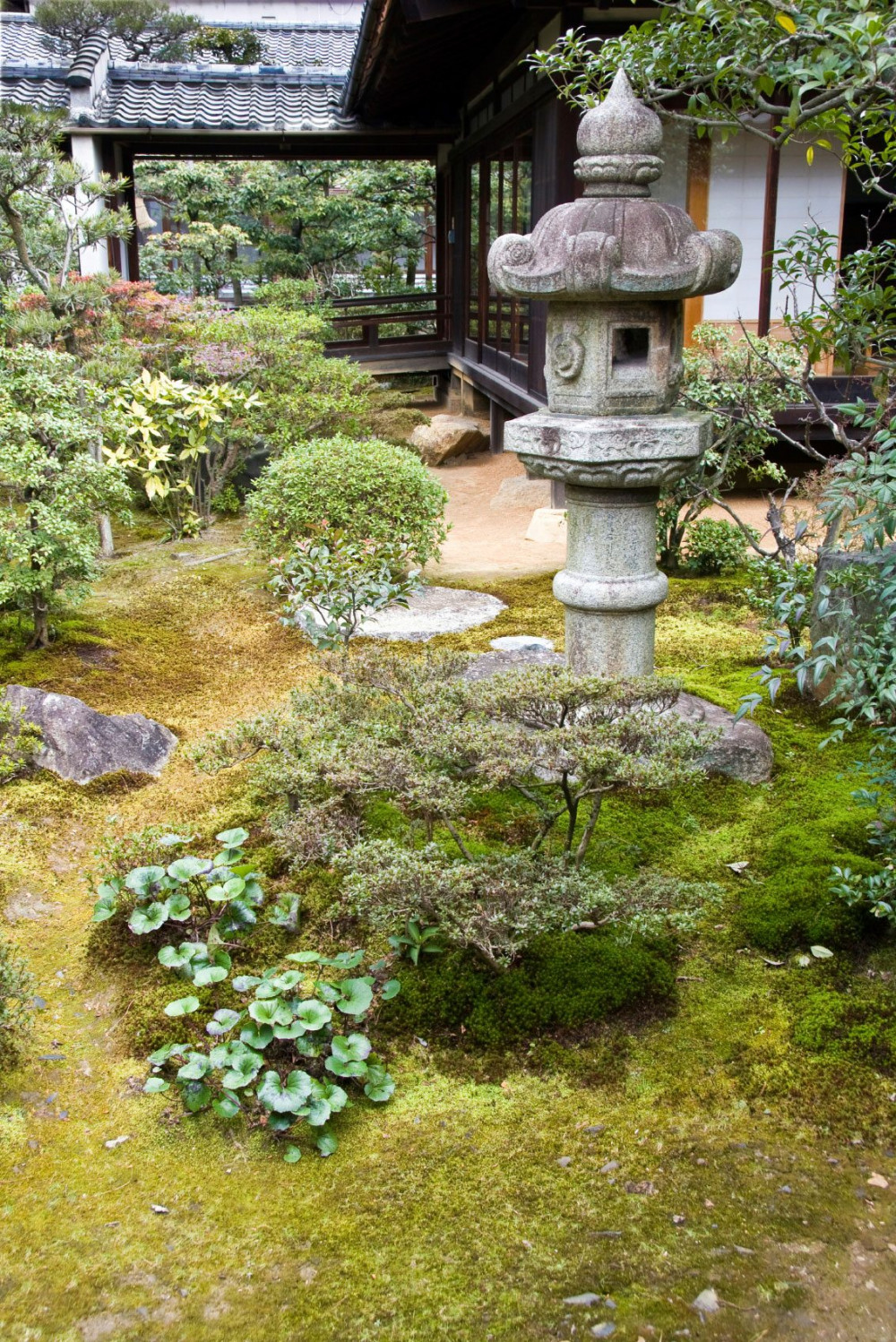 Source: Gardening Know How
Place stone lanterns, pagodas, or stone ornaments strategically throughout your garden to add a touch of traditional Japanese aesthetics. These features can be focal points or simply provide subtle accents within the landscape.
#12. Incorporate Symbolism
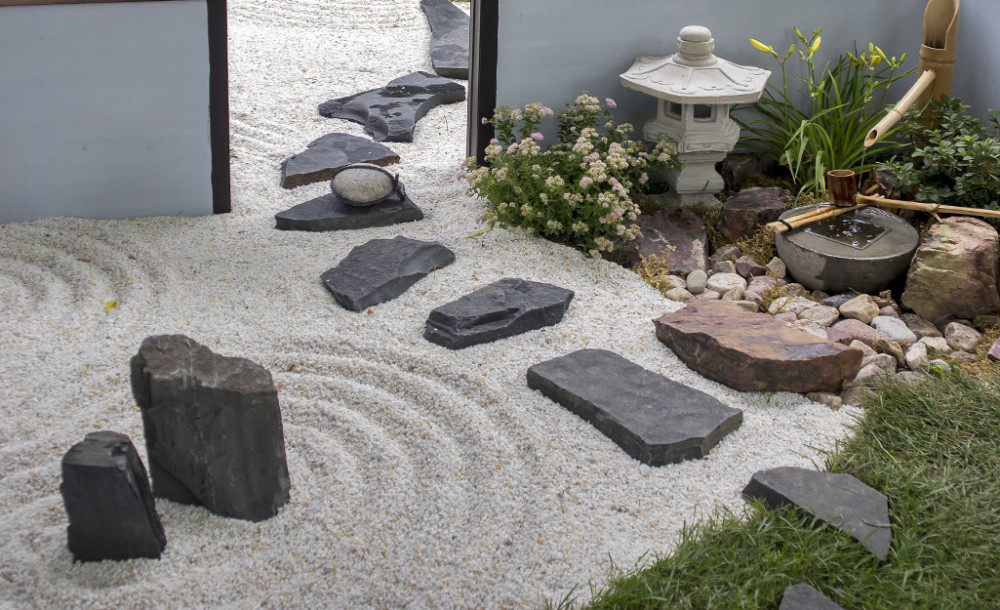 Source: The Home Depot
Japanese gardens often incorporate symbolic elements. For example, use a stone arrangement to represent mountains or a raked gravel area to represent a river. Research traditional Japanese garden symbolism and incorporate meaningful elements into your design.
#13. Emphasize Seasonal Plantings
 Source: TripAdvisor
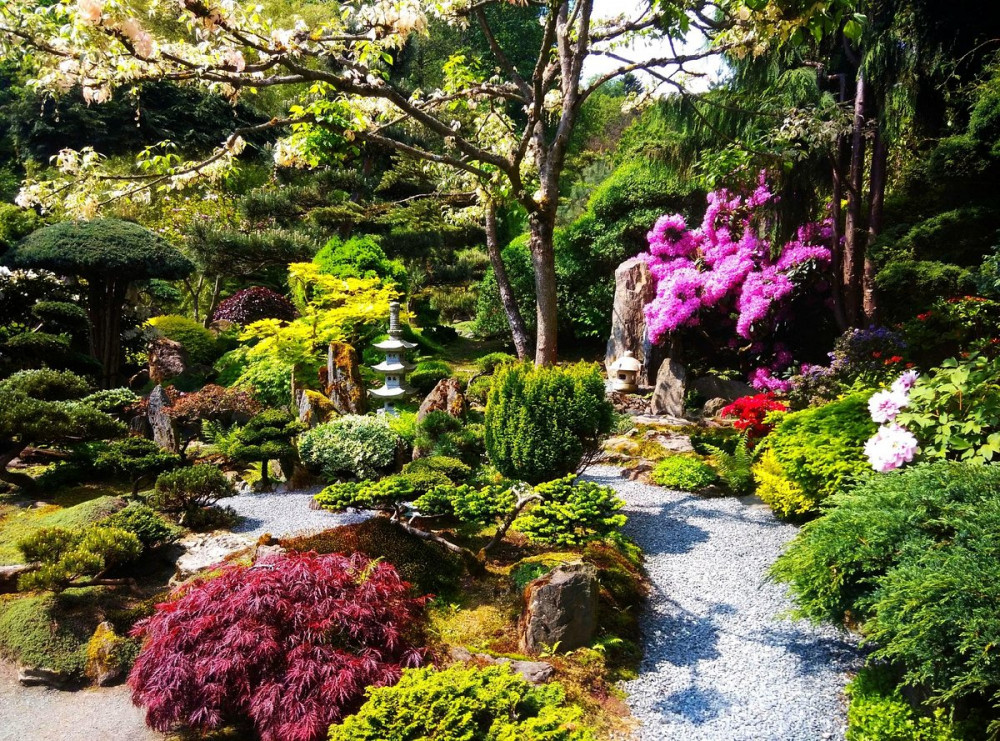
Japanese gardens celebrate the beauty of each season. Plant seasonal flowers and shrubs that bloom or change colors at different times of the year. Consider cherry blossoms in spring, hydrangeas in summer, maple trees in autumn, and evergreens for winter interest.
#14. Have Koi Fish
 Source: Install-It-Direct
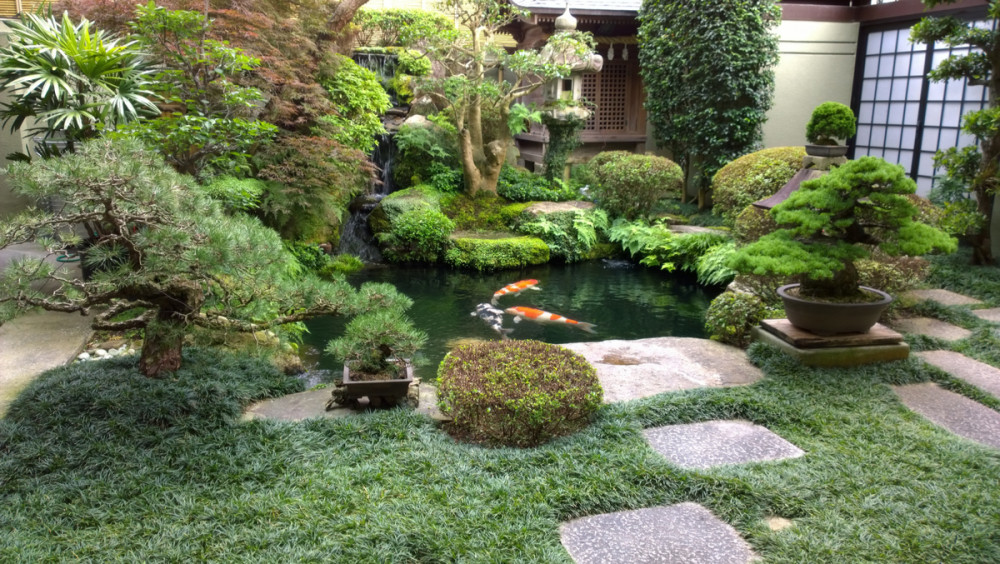
The koi fish, surrounded by meticulously placed stones and lush greenery, become an integral part of the garden’s composition. The gentle sound of trickling water from a nearby fountain or a delicately placed bamboo pipe creates a soothing ambiance, inviting visitors to contemplate and find inner peace.
#15. Add Your Own Personality
 Source: Garden Goods Direct
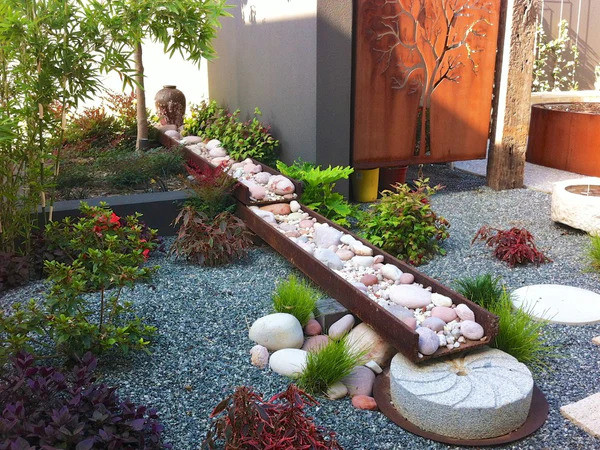
Incorporating your own personality into a Zen garden allows you to infuse it with a unique touch while still honoring the principles of simplicity and harmony.
#16. Emphasize Simplicity And Minimalism
 Source: Pinterest
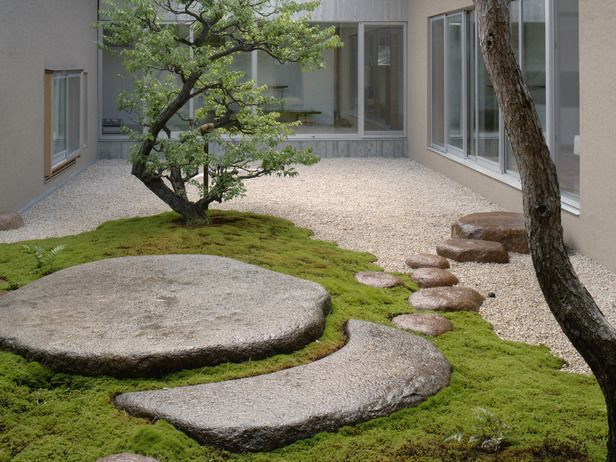
Japanese gardens are known for their simplicity and minimalistic design. Focus on creating a serene and uncluttered space. Keep the layout clean and avoid excessive ornamentation.
#17. Balanced Modern Charm
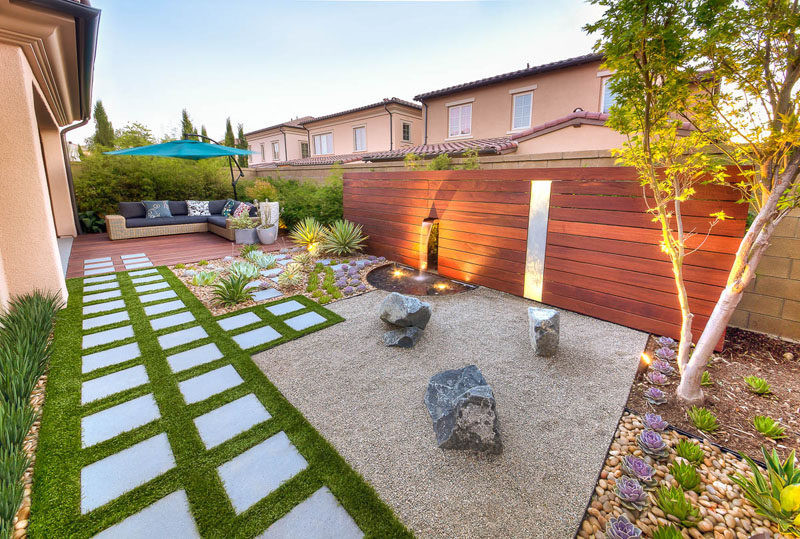
Achieve a sense of balance and asymmetry by incorporating asymmetrical elements into your landscape. Place rocks, plants, and other features in a way that creates a harmonious and natural balance.
Source: Contemporist
As an Amazon Associate I earn from qualifying purchases. Amazon and the Amazon logo are trademarks of Amazon.com, Inc, or its affiliates.