

The Secrets Of A Picturesque Trellis Landscape Revealed
Welcome to our guide on how to create a beautiful trellis landscape! Whether you have a spacious garden or a small outdoor space, a trellis can transform it into a picturesque haven. A trellis serves as both a functional support for climbing plants and a stunning visual element that adds depth and charm to any landscape.
In this comprehensive tutorial, we will walk you through the essential steps and techniques to create a captivating trellis landscape that will inspire awe and delight.
From selecting the right materials to choosing the perfect climbing plants, we will provide you with expert advice and creative ideas to help you design an enchanting trellis that complements your personal style and enhances the natural beauty of your surroundings.
Get ready to embark on a journey of creativity and discover how to create a captivating trellis landscape that will become the centerpiece of your outdoor oasis.
#1. Assess Your Space
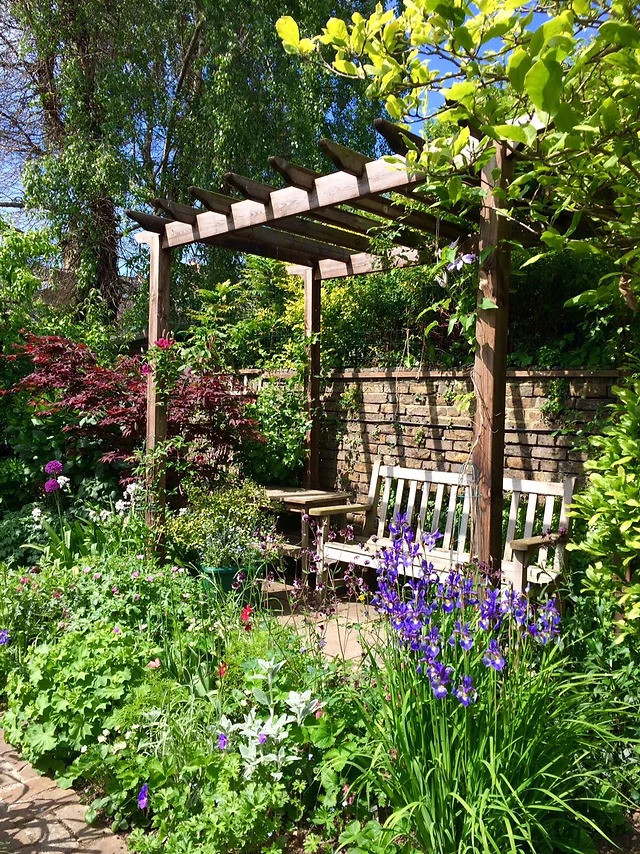
Start by assessing the available space where you plan to install the trellis. Consider the size, shape, and orientation of the area. Take note of existing structures, such as walls or fences, that can serve as a backdrop for your trellis.
 Source: Woodcrafters
#2. Choose The Right Trellis Design
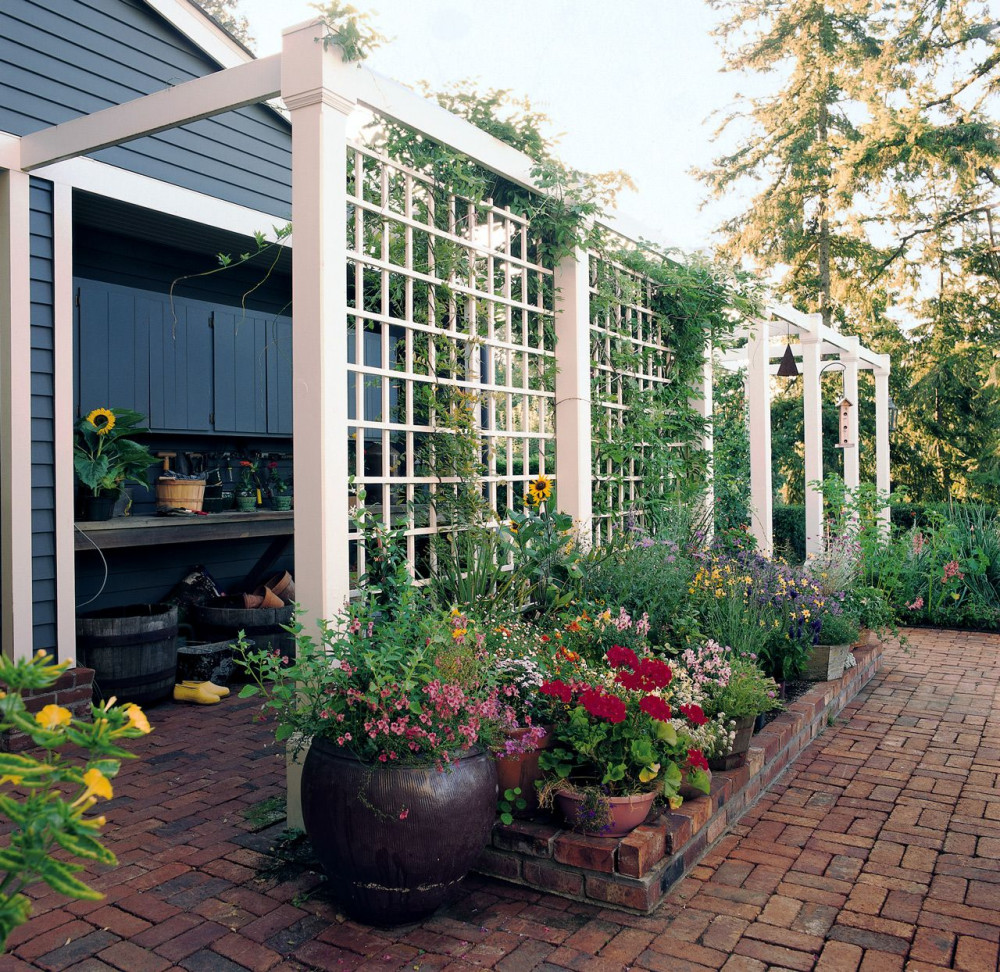
Select a trellis design that complements the overall style of your landscape. Trellises come in various materials like wood, metal, or vinyl, and can be found in different shapes and patterns. Consider the durability, maintenance requirements, and aesthetics of different trellis options.
 Source: Better Homes & Gardens
#3. Determine The Location
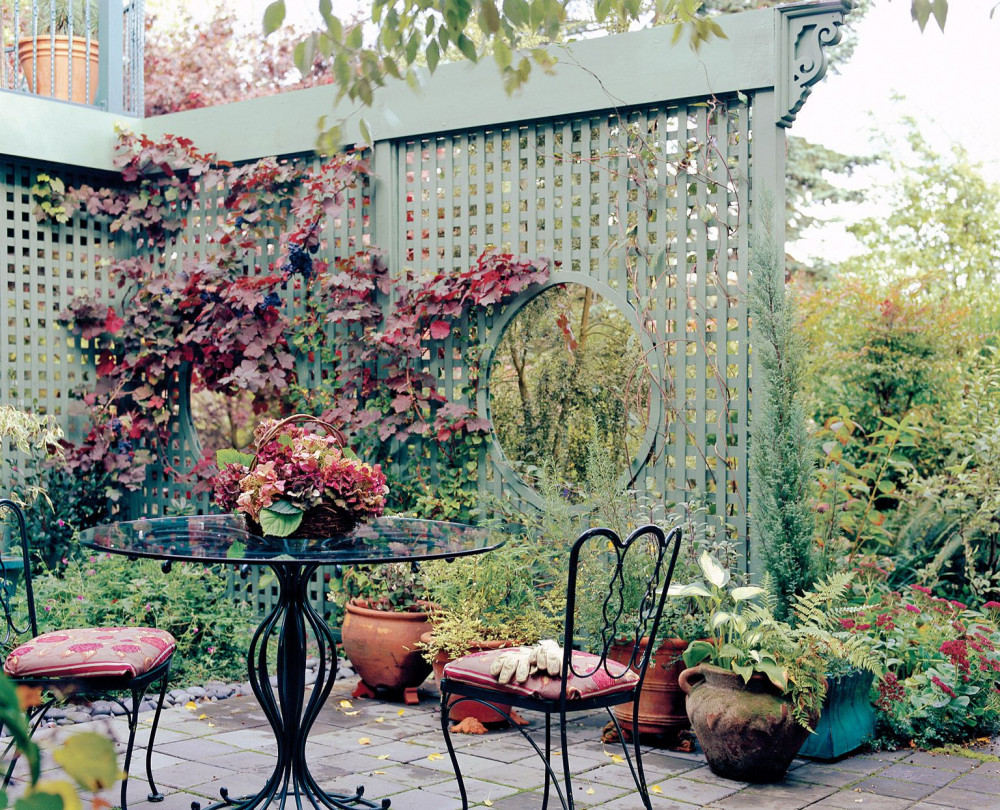
Decide where you want to install the trellis. Trellises are often placed against walls, fences, or freestanding in the garden. Consider the amount of sunlight, wind patterns, and the plants you plan to grow on the trellis when choosing the location.
 Source: Better Homes & Gardens
#4. Select Suitable Plants
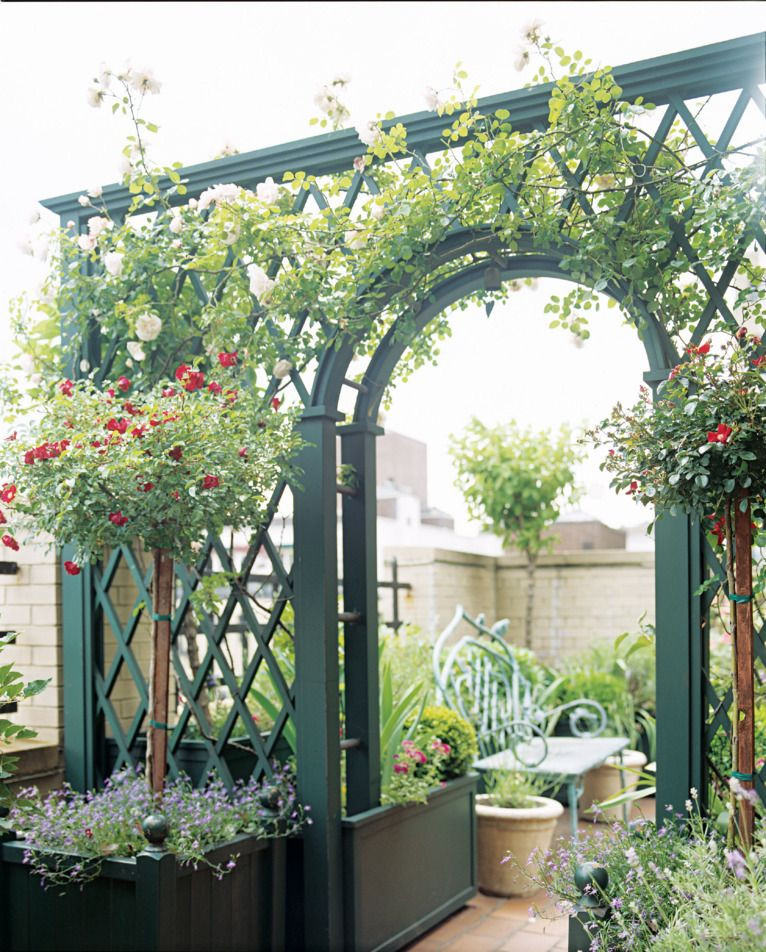
Choose plants that are well-suited for growing on a trellis. Popular choices include climbing roses, jasmine, clematis, ivy, or grapevines. Consider the plant’s growth habit, height, color, and blooming season to create a visually appealing composition.
 Source: House Beautiful
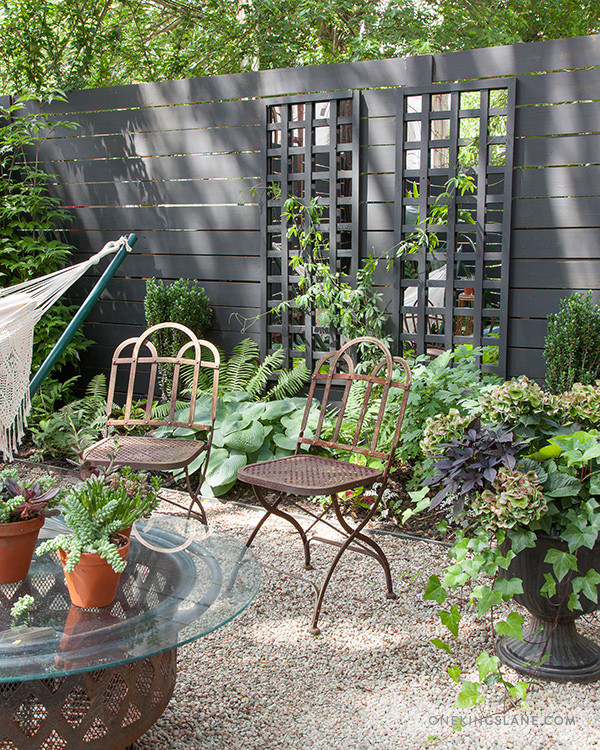
#5. Plan For Proper Support
Ensure that your trellis is structurally sound and provides adequate support for the climbing plants. If necessary, reinforce the trellis or attach it securely to a wall or fence. Choose materials and hardware that can withstand the weight and growth of the plants over time.
 Source: Hative
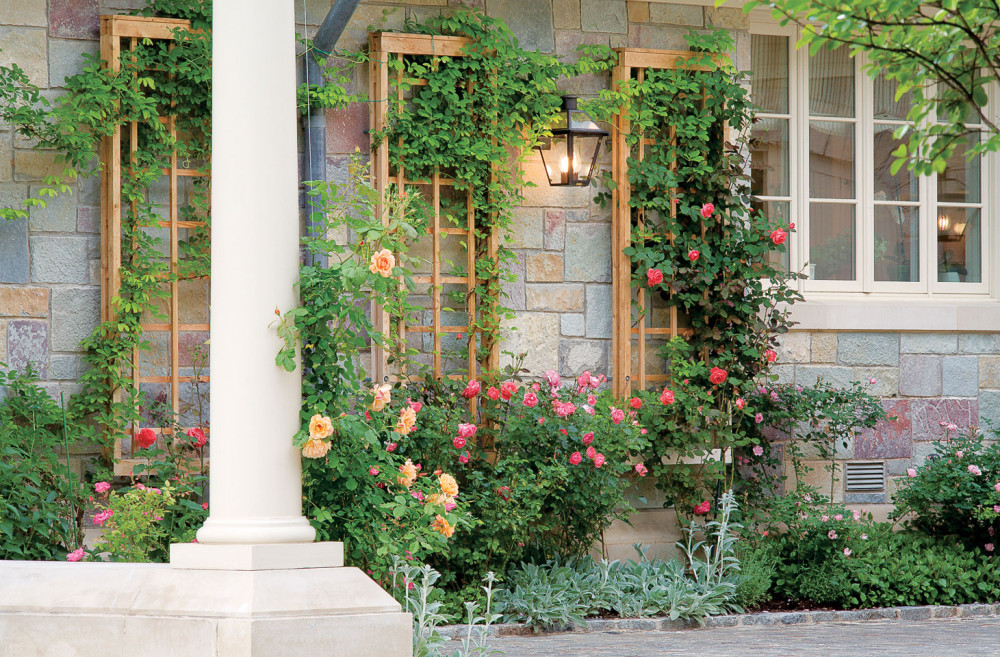
#6. Consider Aesthetics And Color Scheme
Think about the overall aesthetic you want to achieve. Consider the colors, textures, and shapes of both the trellis and the plants. Create a cohesive color scheme that complements the surrounding landscape or adds a contrasting element to create visual interest.
 Source: Sunset Magazine
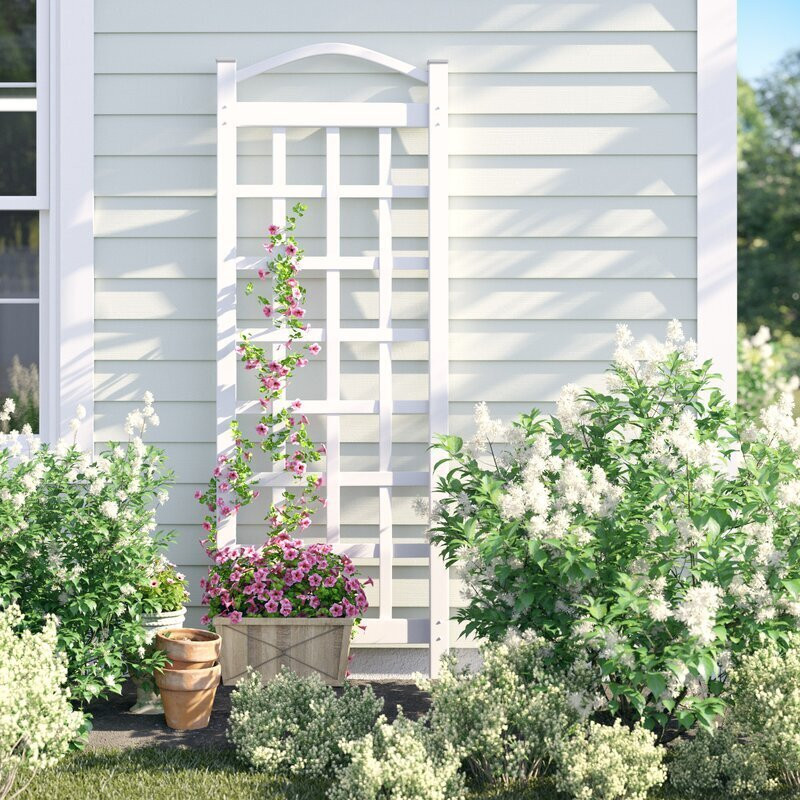
#7. Incorporate Additional Elements
Enhance the beauty of your trellis landscape by adding supplementary elements. Consider incorporating decorative elements like hanging baskets, lighting fixtures, or seating areas near the trellis. These additions can further enhance the overall appeal of the space.
 Source: Foter Magazine
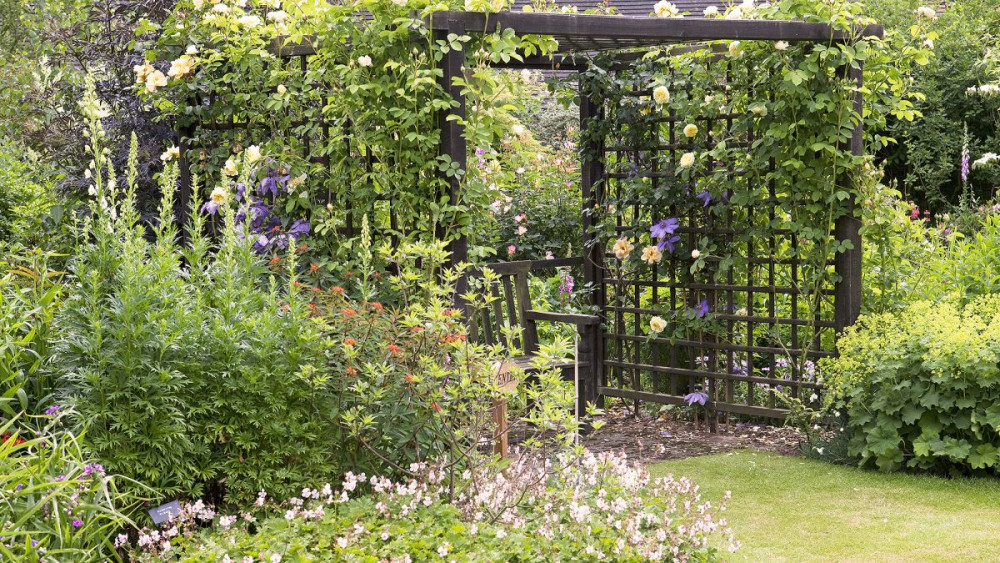
#8. Maintain And Care For Your Trellis
Regularly maintain and care for your trellis and the plants growing on it. Prune the plants as needed to maintain their shape and prevent overgrowth. Regularly inspect the trellis for any damage and make repairs promptly.
 Source: Homes & Gardens
#9. More Trellis Ideas
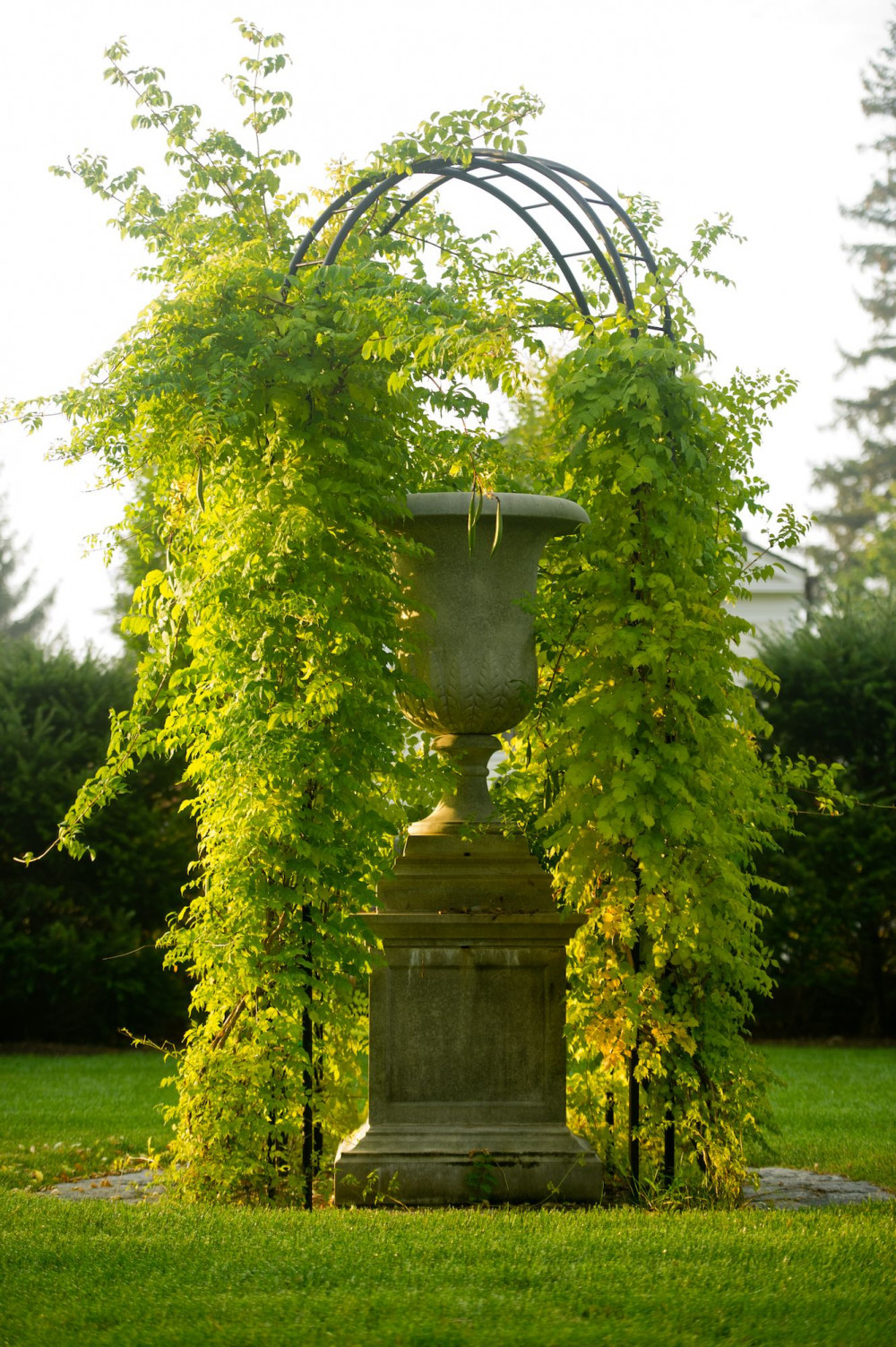 Source: Elle Decor
Arch Trellis
rch trellises have an arched or curved shape and can create a beautiful focal point in a garden. They are often used as entrances or gateways, providing a visually striking structure for climbing plants to grow over. Arch trellises are typically made of metal or wood.
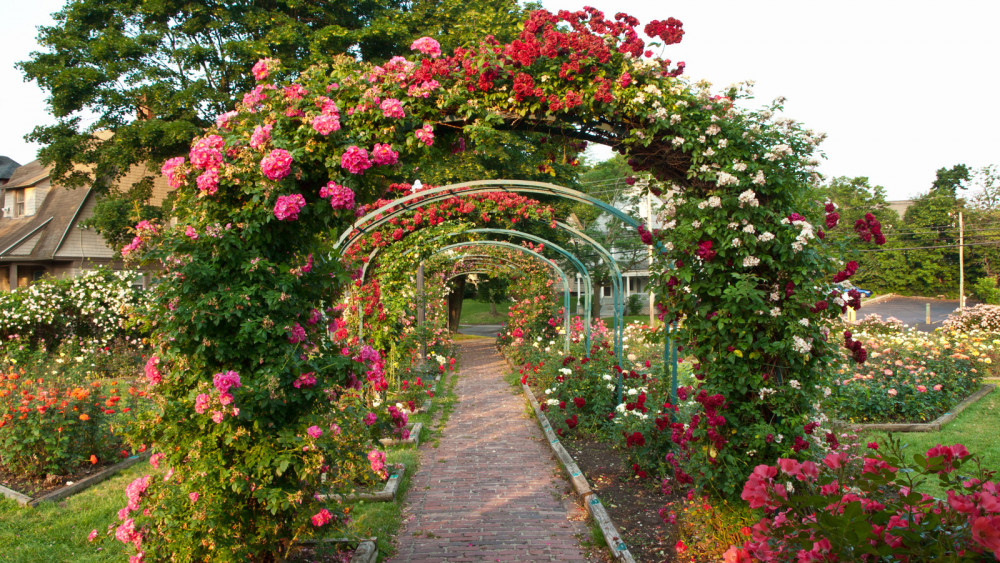 Source: House Digest
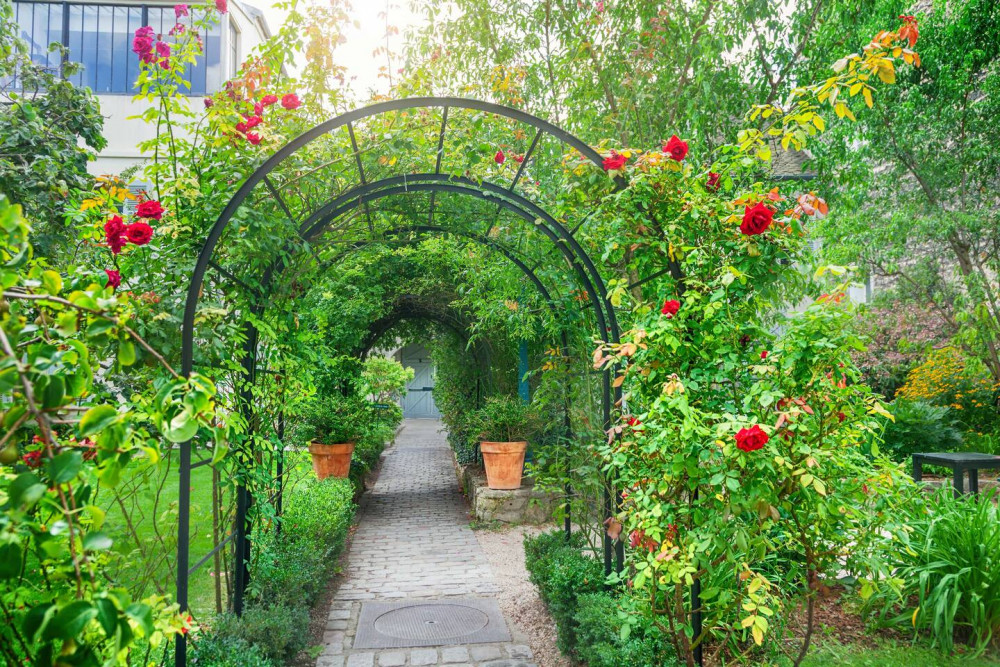 Source: www.angi.com
Creative Designs
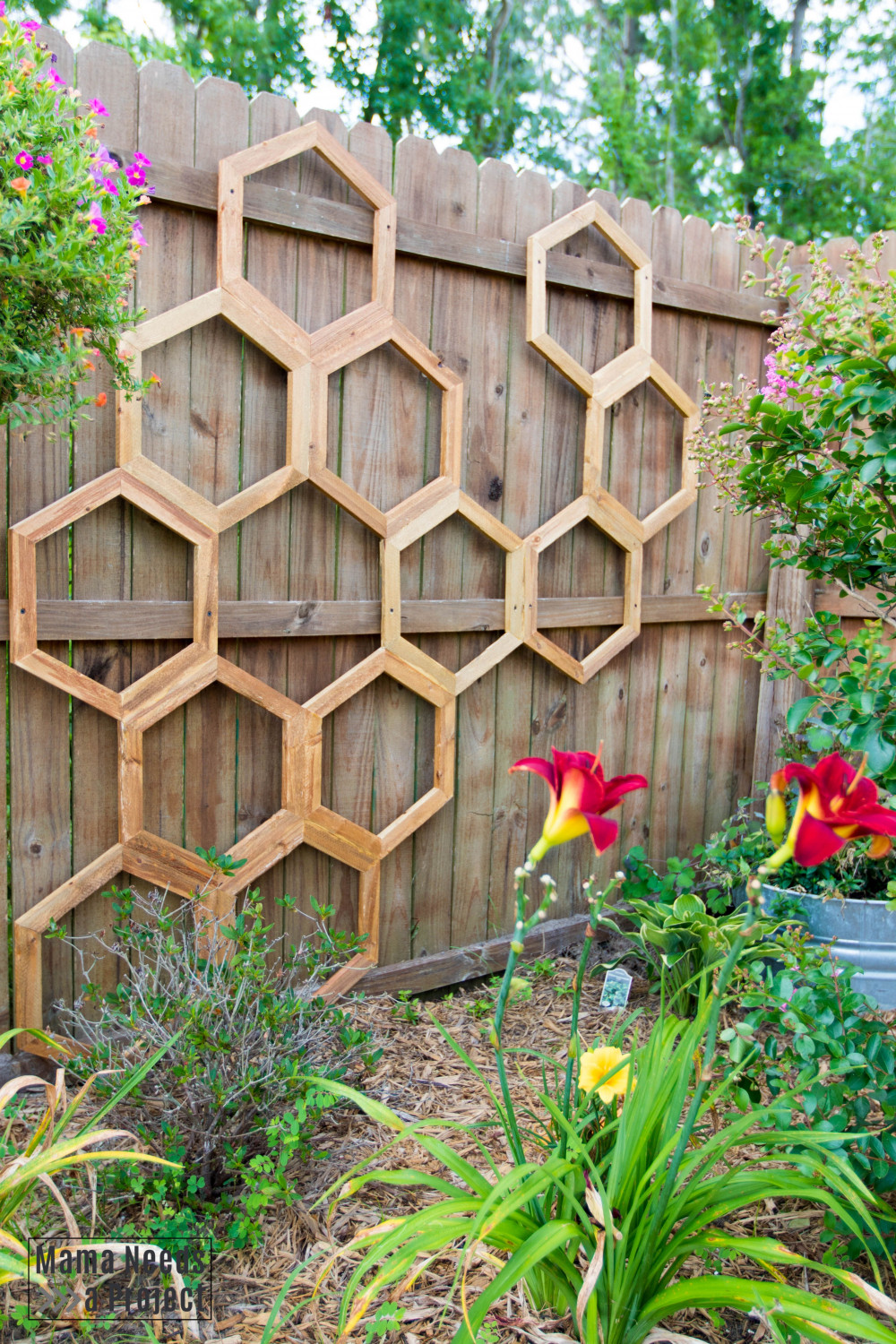 Source: Country Living Magazine
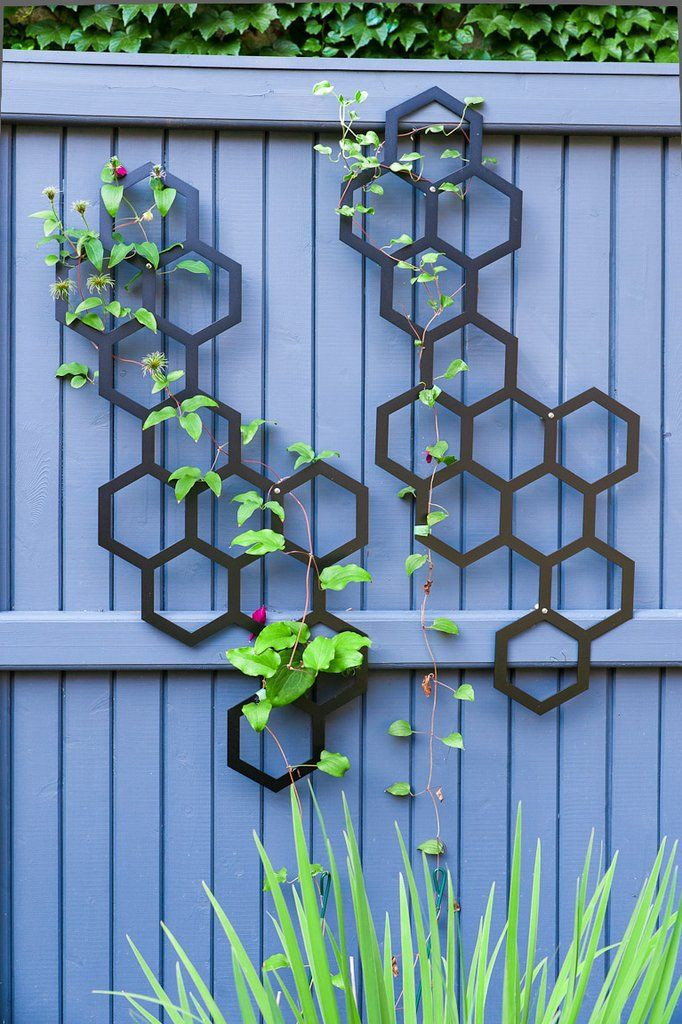 Source: eduaspirant.com
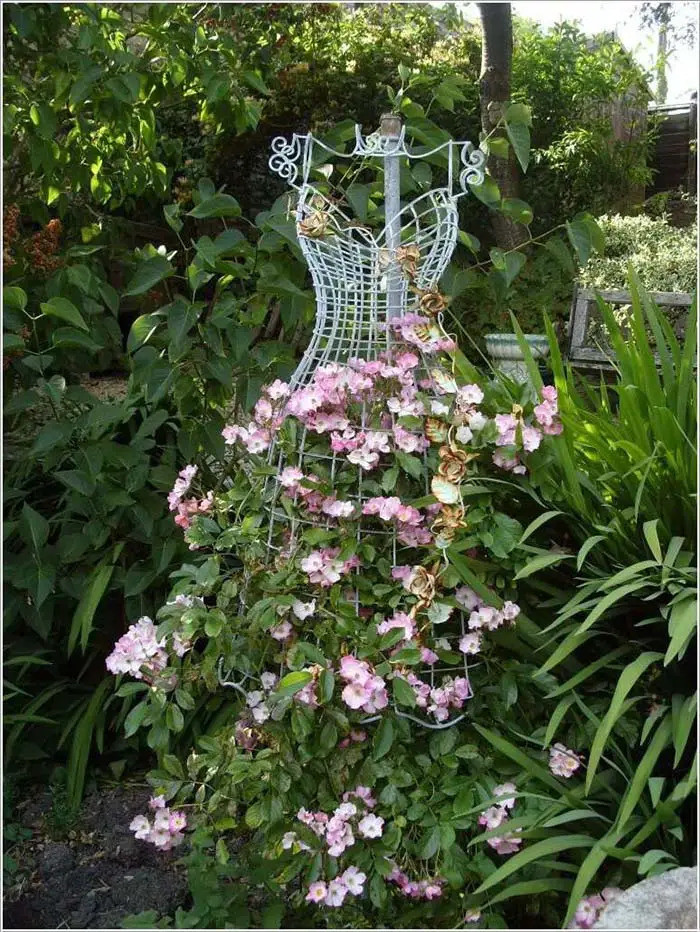 Source: Decor Home Ideas
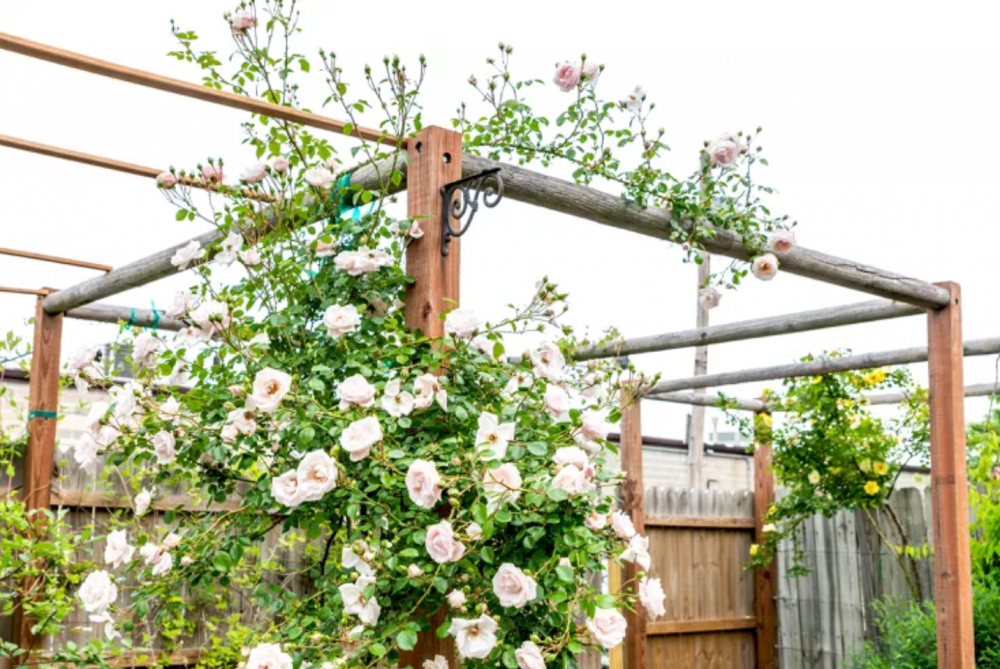 Source: The Spruce
Wall-Mounted Trellis
Wall-mounted trellises are designed to be attached to a wall or a vertical surface. They come in various shapes and materials, such as metal, wood, or vinyl. Wall-mounted trellises are ideal for small spaces and can be used to create vertical gardens or support climbing plants against walls.
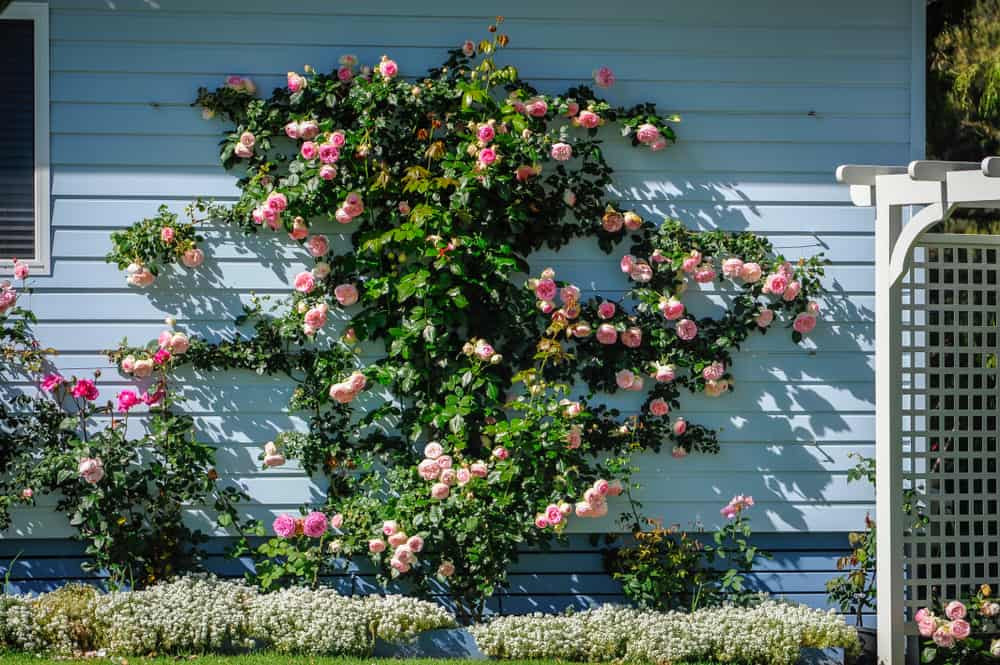 Source: Garden Patch
Lattice Trellis
Lattice trellises are made of crisscrossing wooden or metal strips, creating a grid-like pattern. This design allows climbing plants to weave through the openings easily. Lattice trellises are versatile and can be used against walls, as freestanding structures, or as fence toppers.
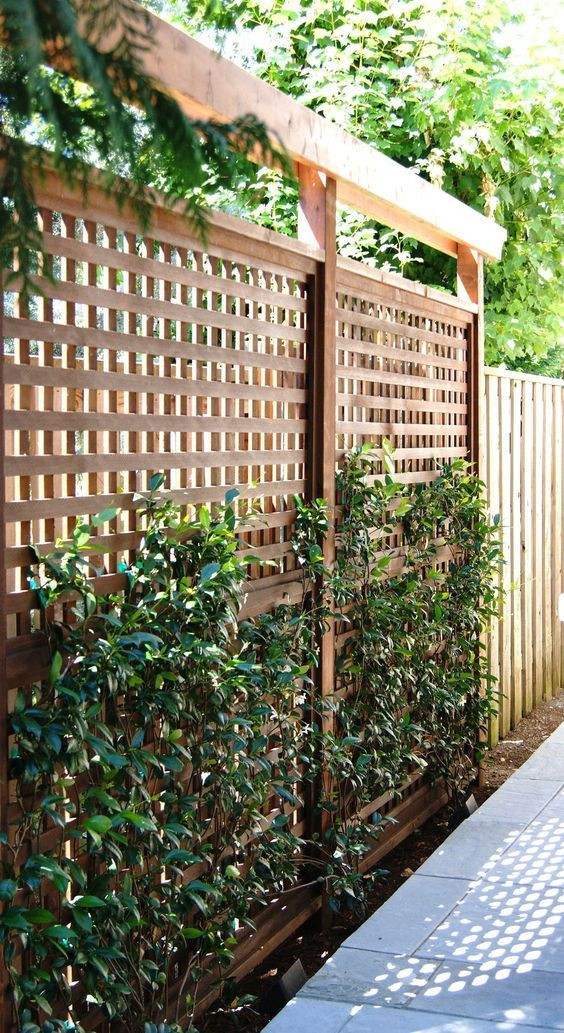 Source: Pinterest
Obelisk Trellis
Obelisk trellises are tall, pyramid-shaped structures that taper towards the top. They are commonly used in gardens and serve as a focal point while providing support for climbing plants. Obelisk trellises are typically made of wood or metal and can be freestanding or anchored into the ground.
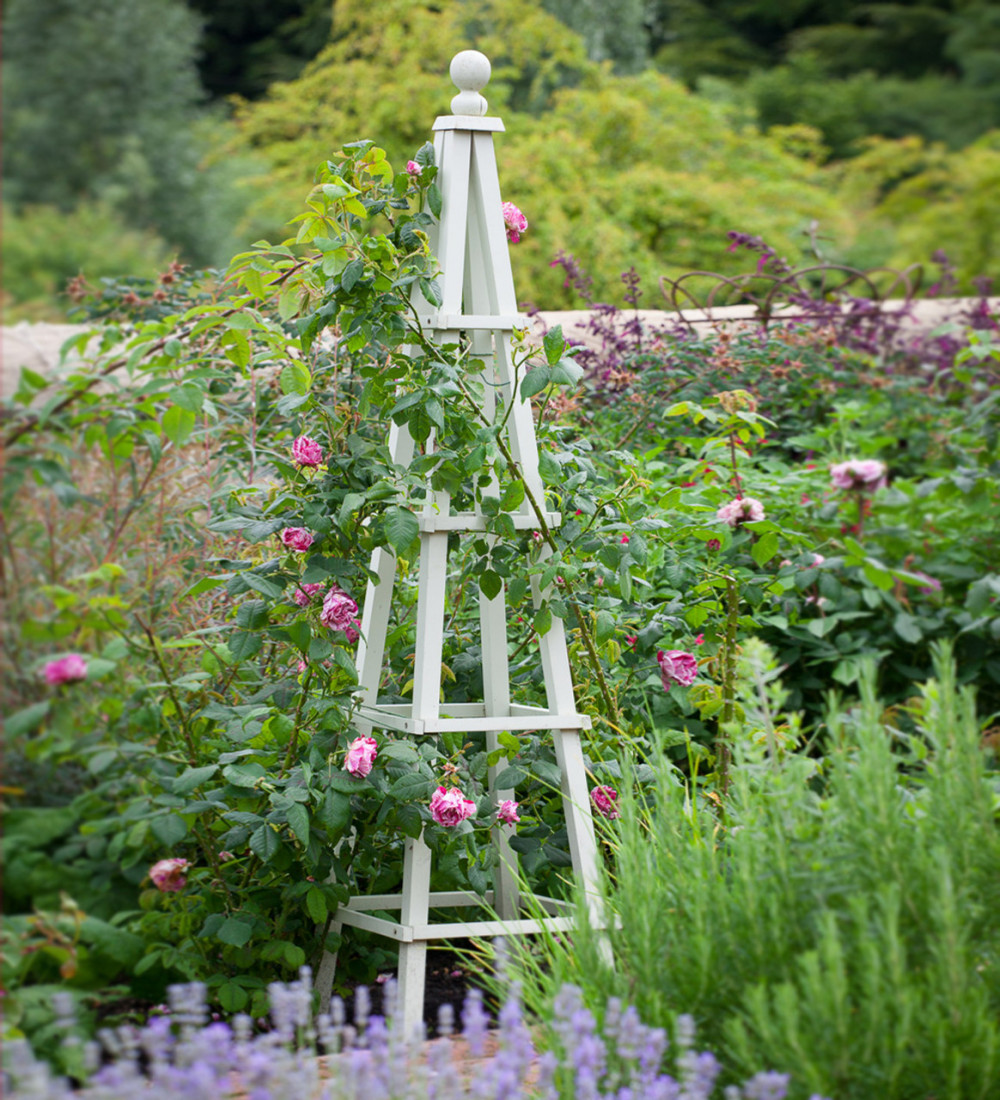 Source: Sarah Raven
Pergola Trellis
Pergola trellises are larger structures that provide partial shade and create an outdoor living space. They consist of vertical posts and horizontal beams, often with an open-roof design. Pergolas can be covered with climbing plants, such as vines or roses, to add beauty and shade.
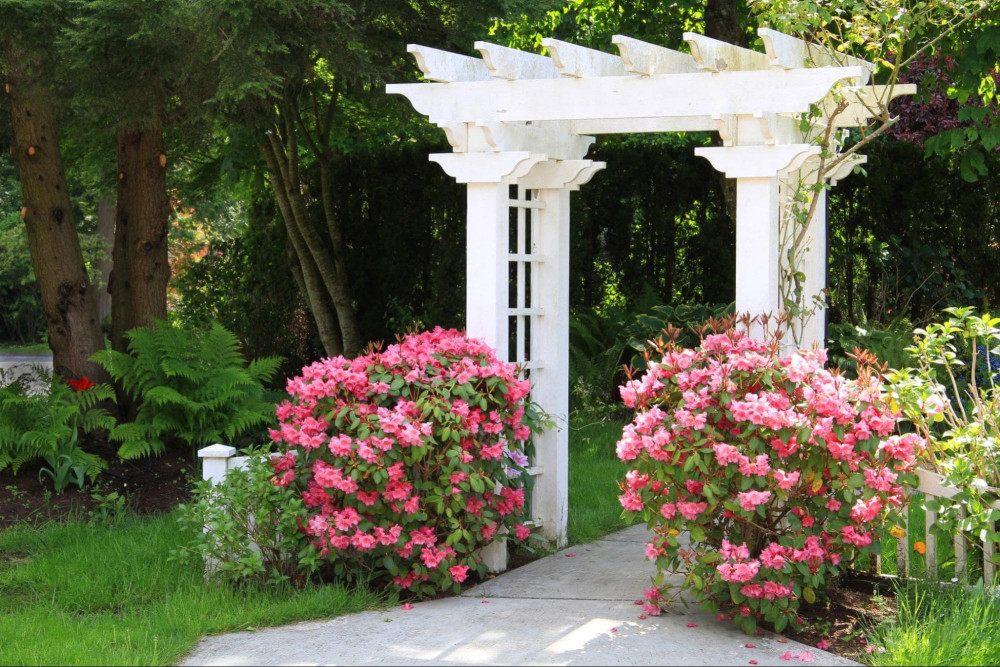 Source: Penn Dutch Structures
Fan Trellis
Fan trellises have a fan-shaped design, with the lower portion wider than the top. They are usually made of wood or metal and can be mounted against walls or used as freestanding structures. Fan trellises are great for training climbing plants to grow in a specific direction.
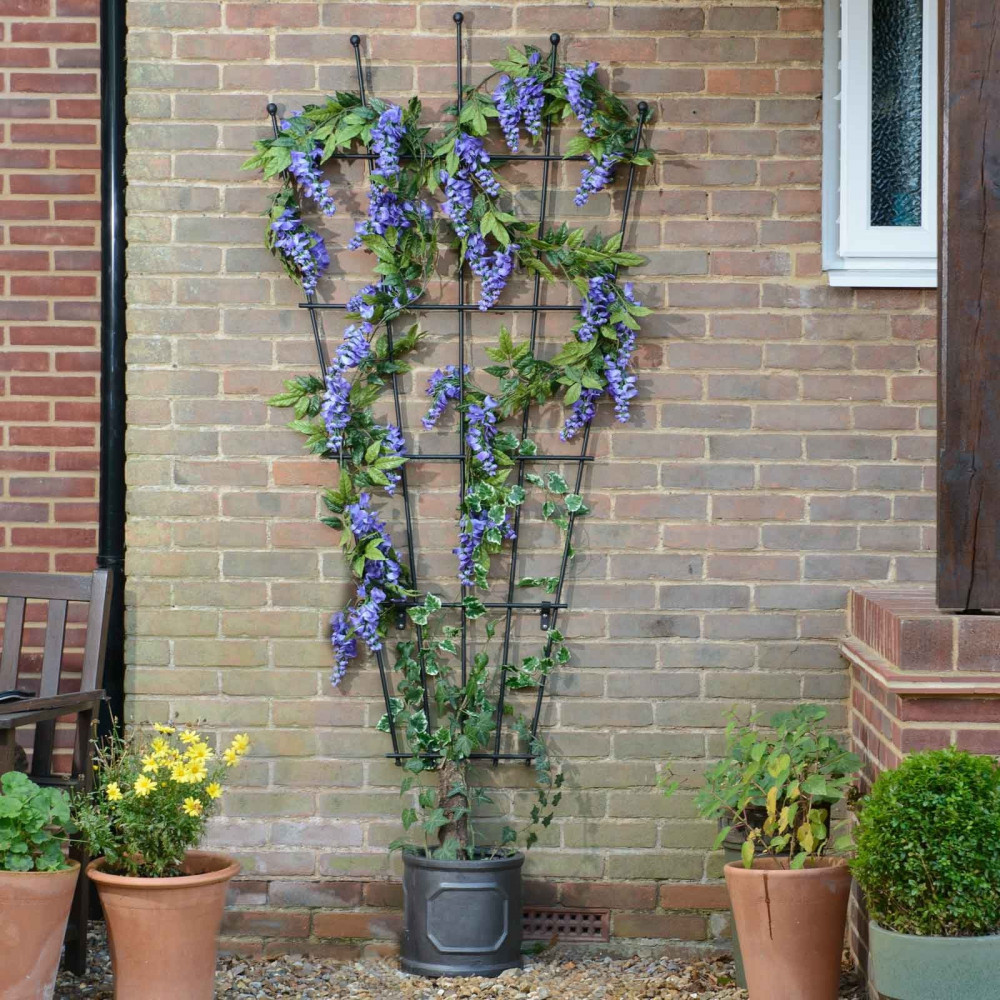 Source: Harrod Horticultural
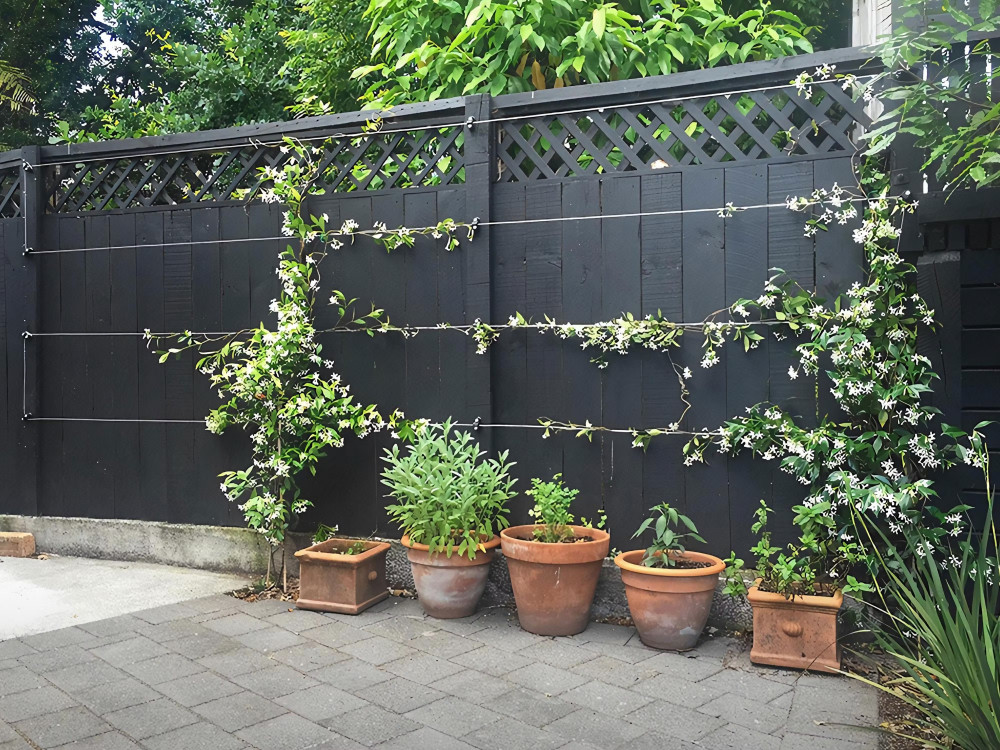
Espalier Trellis
Espalier trellises are specifically designed to support the training and shaping of plants against a wall or fence. The trellis consists of horizontal wires or wooden supports that allow the plants to be trained in a flat, two-dimensional pattern. Espalier trellises are often used for fruit trees or ornamental plants.
 Source: Trade Tested
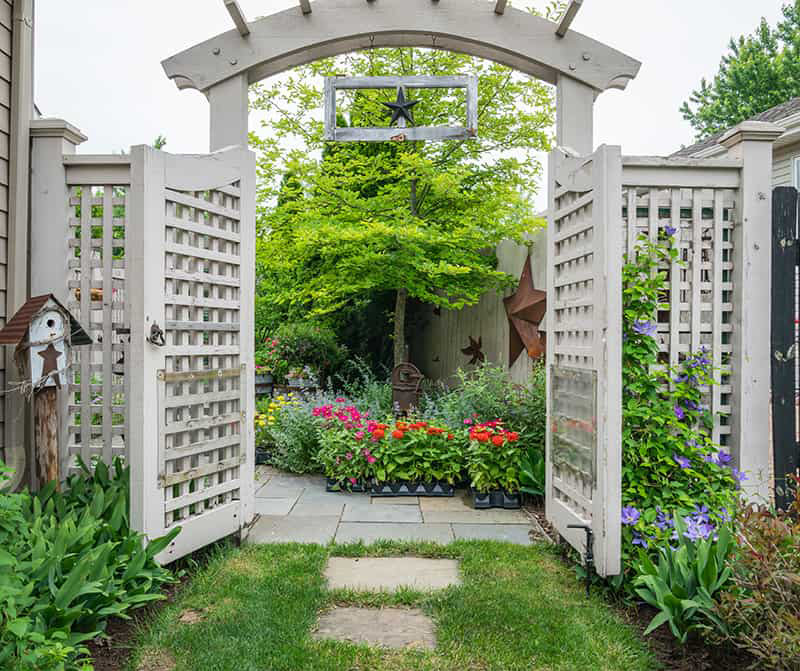
Trellis Doorway
 Source: Trees.com
These are just a few examples of trellis types, and there are many more variations available. When choosing a trellis, consider the intended purpose, the plants you plan to grow, and the overall aesthetic you want to achieve in your landscape.
In short, creating a beautiful trellis landscape is a creative process, and personal preferences may vary. Experiment with different plant combinations and design elements to achieve a trellis landscape that reflects your vision and enhances the beauty of your outdoor space.
As an Amazon Associate I earn from qualifying purchases. Amazon and the Amazon logo are trademarks of Amazon.com, Inc, or its affiliates.